"Double breakthrough in hardness and toughness", lifespan increased

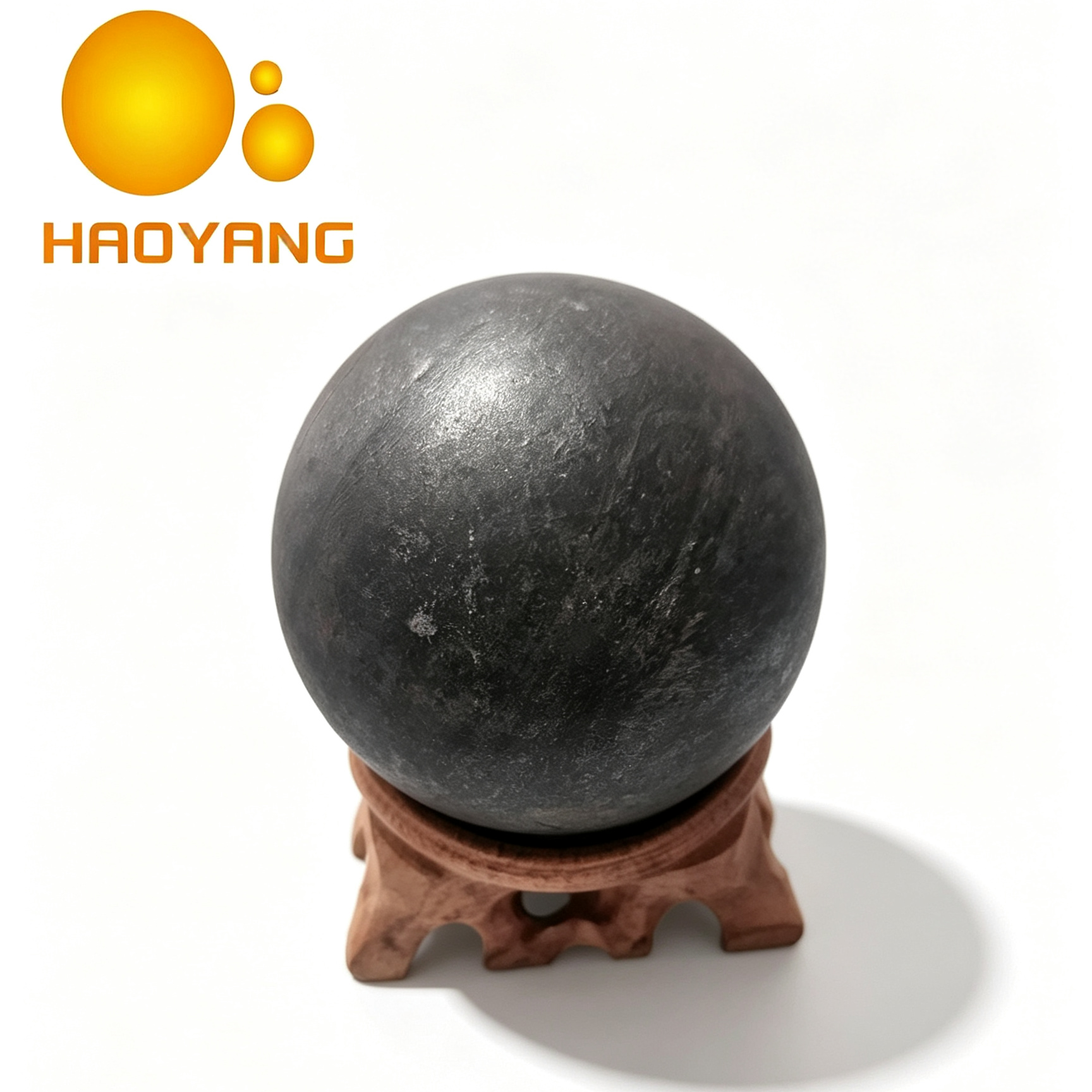
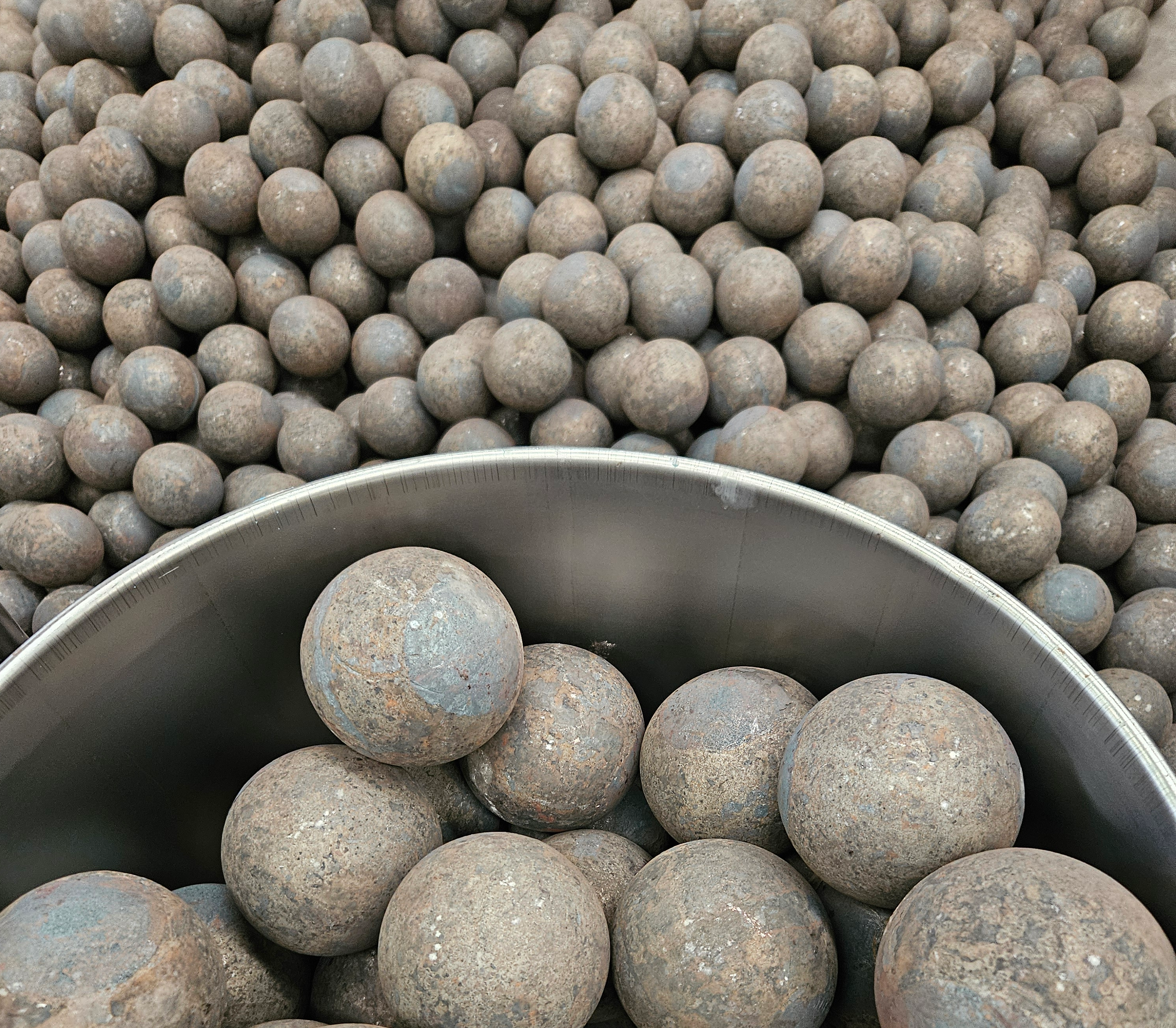
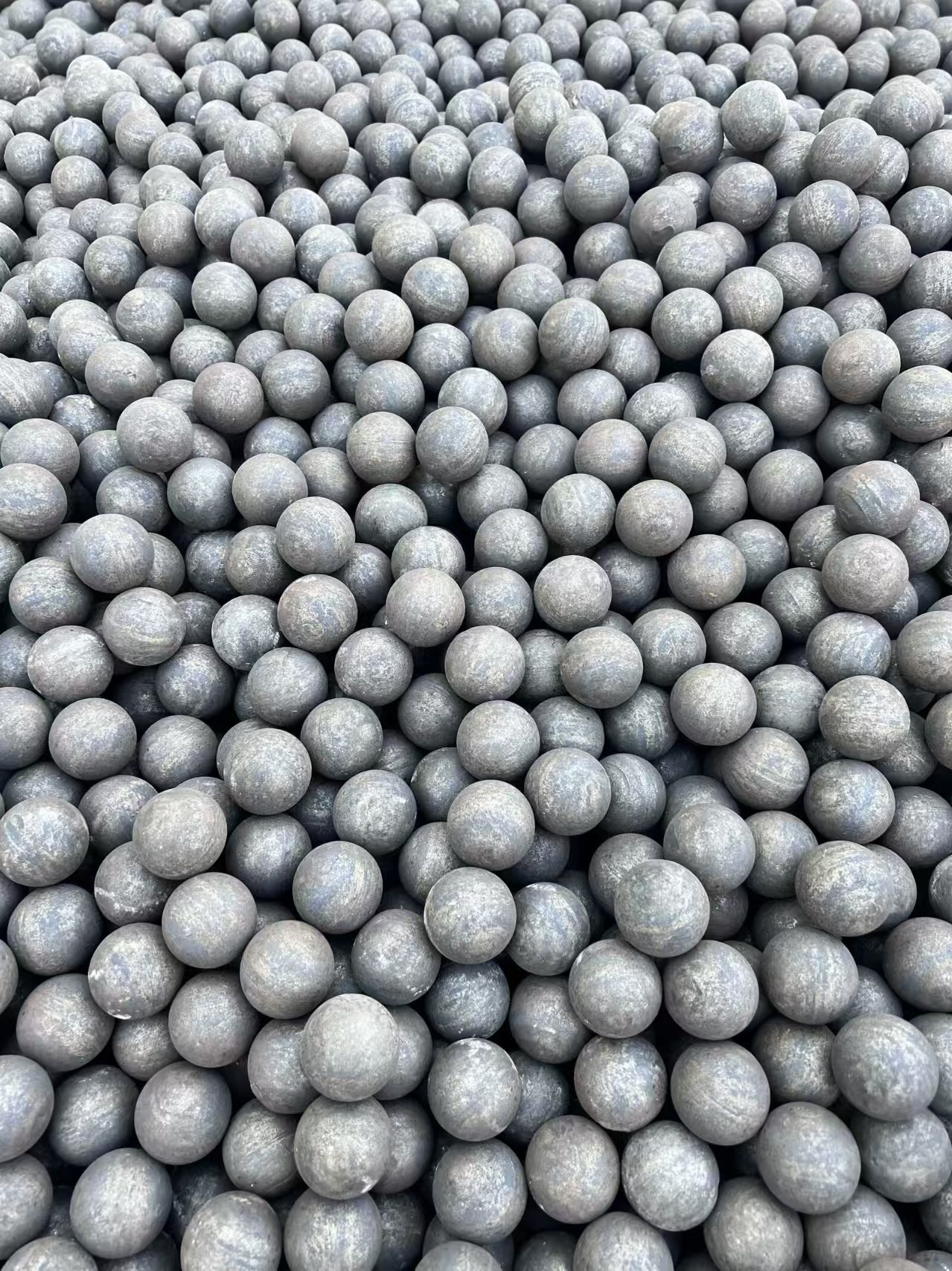
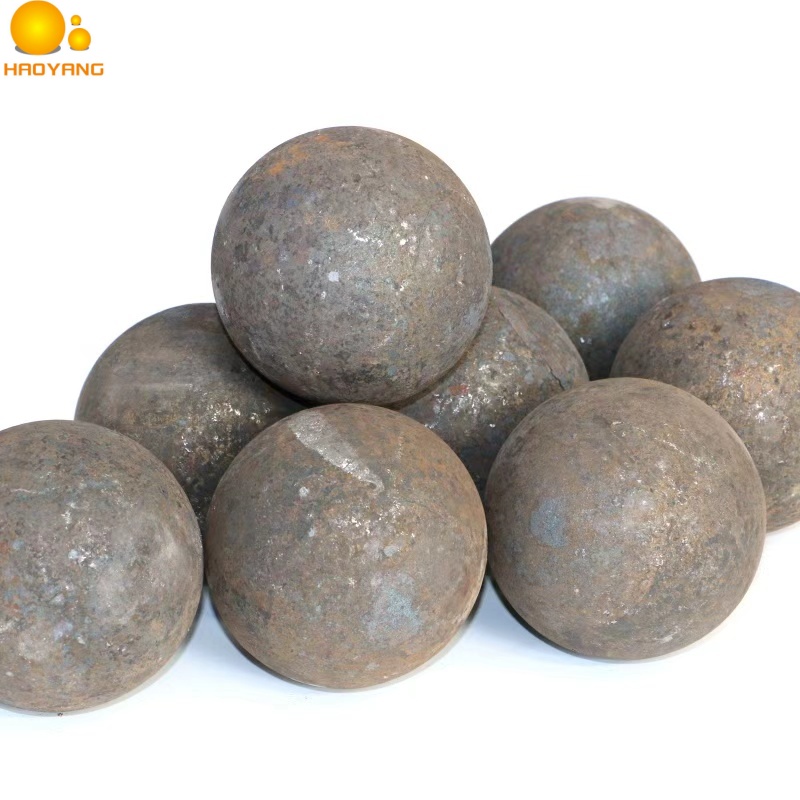
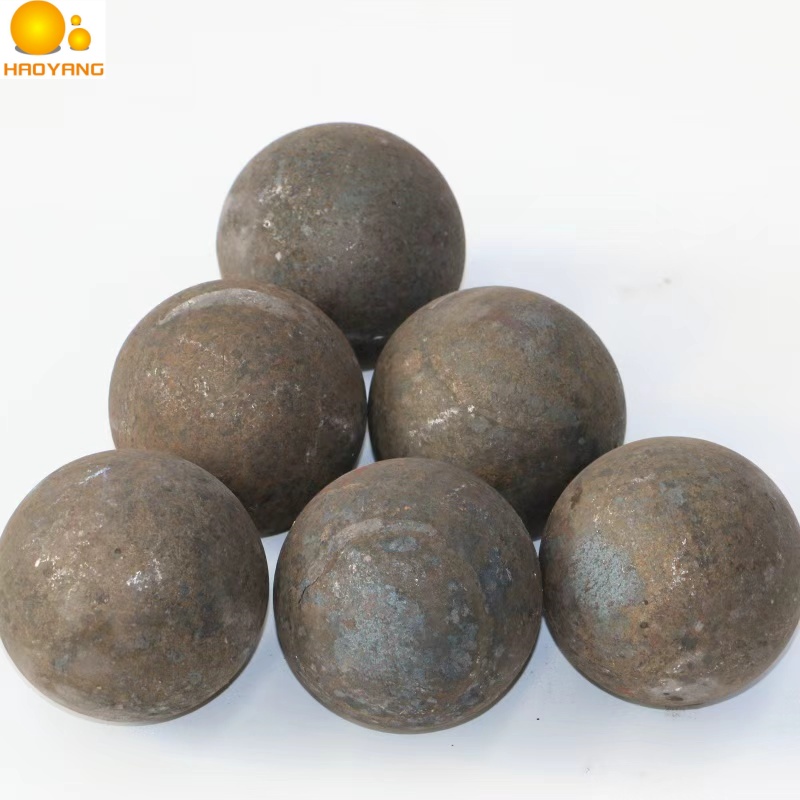
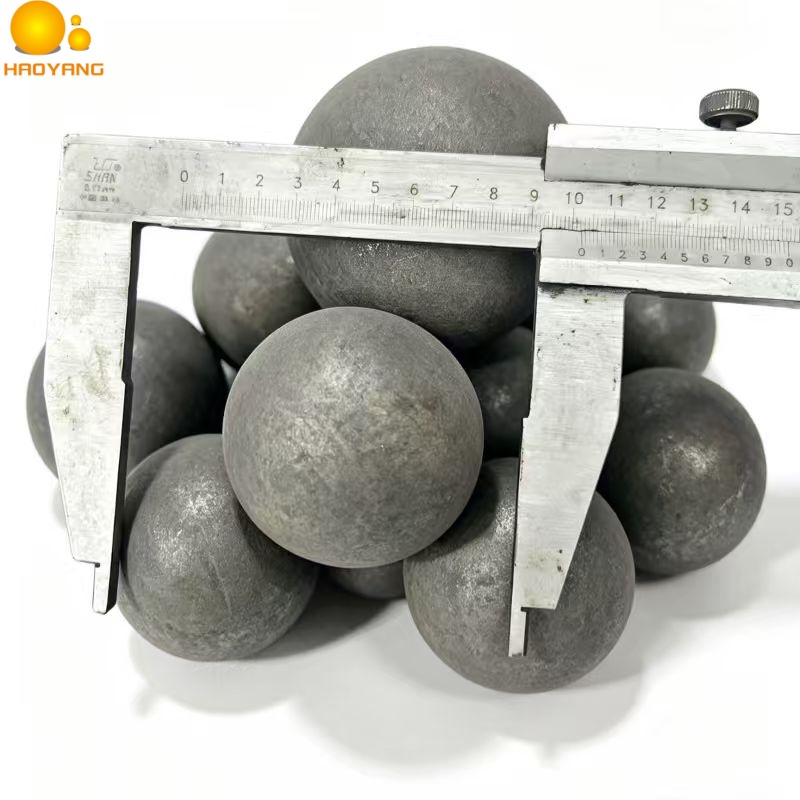
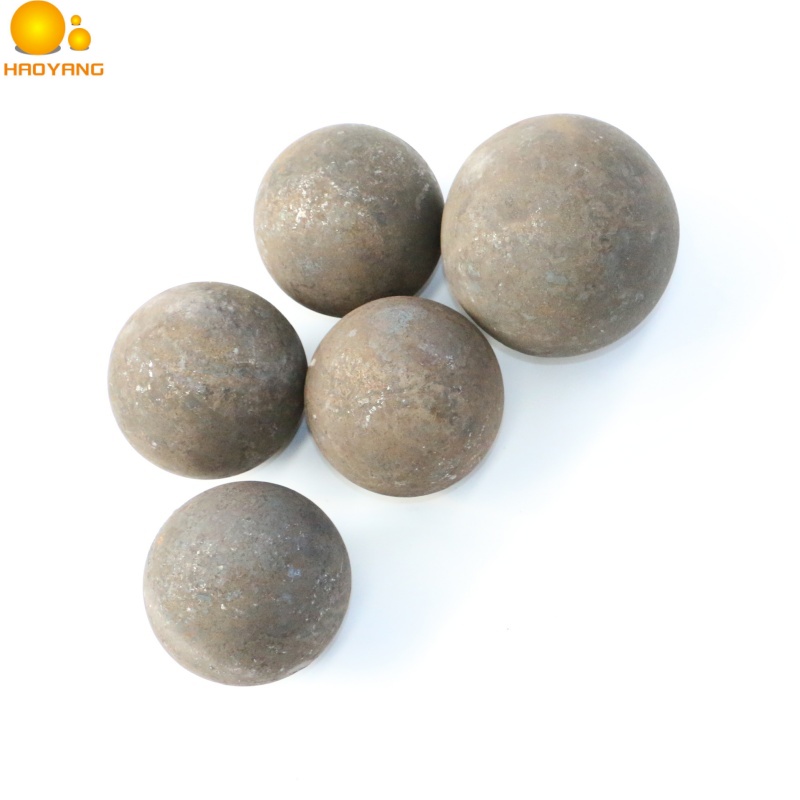
The gradient hardening forged steel balls developed by China have achieved a double breakthrough in terms of hardness (65HRC) and toughness (18J/cm²), with a 50% increase in lifespan. Using the 42CrMoV alloy and post-forging residual heat quenching process, the single consumption of 80mm steel balls is 0.45kg/t of raw ore. They have been certified by BHP Billiton and the first 2,000 tons of orders will be used for the iron ore project in Australia. This technology fills the international gap and is planned to have a 35% market share in the high-end market by 2026.
The R&D team of Jinan Haoyang Company recently released a new generation of "gradient hardening forging steel balls". Through the "nanometer-scale carbide precipitation" technology, the surface hardness of the product reaches 65HRC, while the core impact toughness exceeds 18J/cm². Compared with traditional products, the service life has been increased by 50%, and the wear resistance exceeds the German DIN standard. This technology uses the 42CrMoV alloy and the "post-forging residual heat quenching" process. In an industrial test at a certain gold mine in Shanxi Province, the single consumption of 80mm steel balls dropped to 0.45kg/t of raw ore, setting a global record for the lowest wet grinding cost.
As a "specialized, refined, distinctive and innovative" enterprise of the country, the team spent three years solving the "inverted problem of hardness and toughness". The developed intelligent temperature control system can adjust the quenching temperature in real time by ±2℃. The related achievements have obtained 12 patents, among which "Bainite phase transformation control technology" has filled the international gap. Currently, the products have passed the certification of BHP Group. The first batch of 2,000 tons of orders will be used for the Australian iron ore project, and it is expected to save more than 120 million yuan in mining grinding costs annually.
General Manager Wang Lei of the company stated that the next step will be to build the world's first "digital twin forging production line", with the goal of achieving a high-end market share of over 35% by 2026.