Grinding Cylpebs in Practical Applications: Improving Grinding Efficiency in Mineral Processing
Introduction
Grinding media play a critical role in mineral processing, cement production, and other industrial grinding applications. The choice of grinding media directly affects grinding efficiency, energy consumption, product particle size, media wear, and overall operating costs.
In recent years, Grinding Cylpebs have become an alternative to conventional grinding balls in certain grinding circuits. With their cylindrical shape and relatively large contact area, Cylpebs can provide different grinding characteristics and may be particularly useful in applications requiring efficient particle size reduction.
This case study introduces the practical application of Grinding Cylpebs in a mineral processing grinding circuit and explains how their geometry can contribute to improved grinding performance.
Application Background
A mineral processing plant was looking for an alternative grinding medium for its ball mill operation. The plant was processing mineral ore and required a stable grinding process to achieve the target particle size before subsequent beneficiation.
The existing grinding circuit mainly used conventional grinding balls. During operation, the plant faced several common challenges:
High grinding media consumption
Significant energy consumption during grinding
The need for stable and uniform particle size
Regular grinding media replenishment
Increasing pressure to reduce overall grinding costs
After evaluating the characteristics of different grinding media, the plant considered Grinding Cylpebs as an alternative for part of the grinding circuit.
Why Grinding Cylpebs?
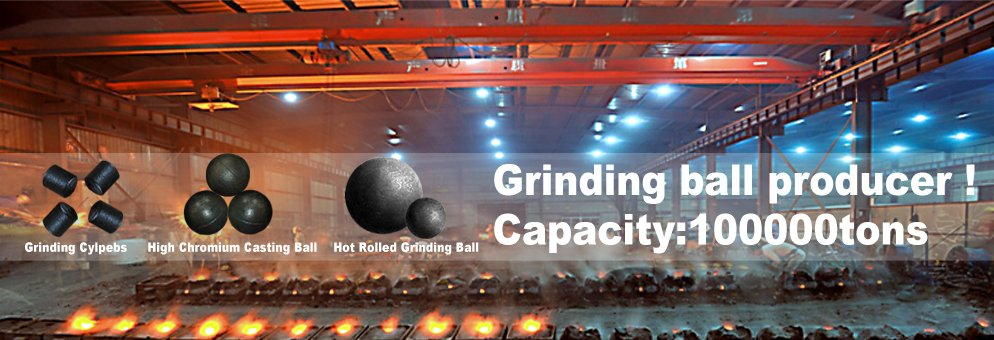
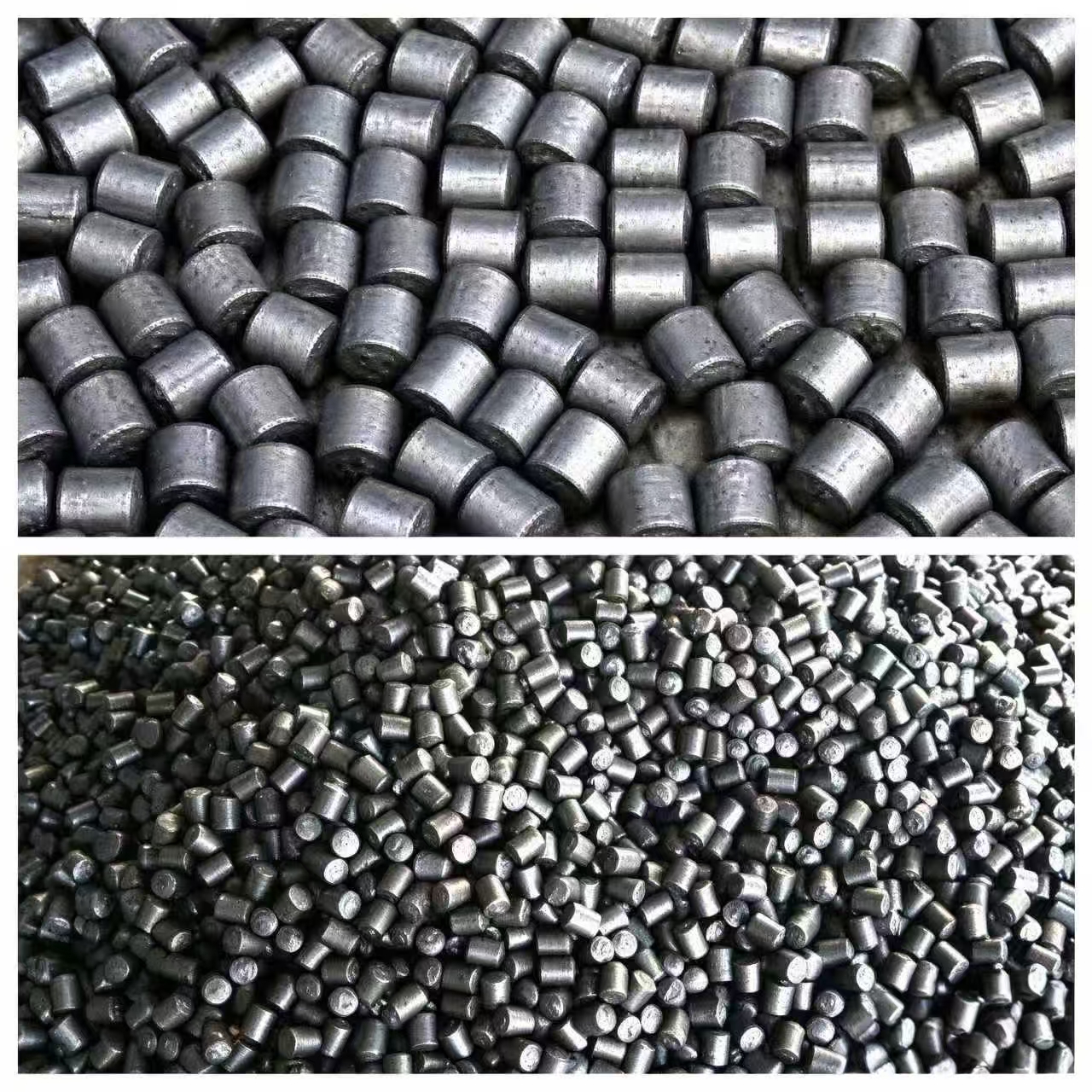
Grinding Cylpebs are cylindrical grinding media, generally manufactured with approximately equal diameter and length and rounded edges.
Compared with spherical grinding balls, their geometry provides a different contact pattern inside the mill. Research has shown that Cylpebs can have a higher surface area and bulk density than conventional spherical media under comparable conditions.
These characteristics can influence:
Grinding contact area
Media packing density
Particle breakage rate
Grinding energy requirements
Product particle-size distribution
A comparative study published in Minerals Engineering found that, under certain laboratory conditions, Cylpebs produced a slightly lower proportion of oversize material than balls at the same specific energy input.
Practical Application in a Ball Mill
For the plant's trial operation, Grinding Cylpebs were introduced into the grinding circuit together with the existing grinding media.
The main objective was not simply to replace all conventional grinding balls, but to evaluate whether Cylpebs could improve the grinding performance under the plant's actual operating conditions.
During the trial, the operators monitored several key parameters:
Feed particle size
Mill throughput
Product particle size
Grinding media consumption
Power consumption
Mill operating stability
Media wear characteristics
The results demonstrated that the cylindrical geometry of the grinding media provided a different grinding action compared with spherical balls. The larger effective contact area and higher packing density of Cylpebs can help increase the interaction between the grinding media and ore particles.
Research published in the International Journal of Mining and Mineral Engineering reported that Cylpebs had approximately 12% higher bulk density than balls in the tested conditions, while specific energy consumption was about 10% lower. The study also found potential for increased grinding circuit capacity under the tested conditions.
However, actual performance depends strongly on ore properties, mill design, media size, filling level, operating speed, and grinding circuit configuration.
Selecting the Right Grinding Cylpebs
The performance of Cylpebs depends not only on their shape but also on material composition, hardness, size, mill conditions, and ore characteristics.
When selecting Grinding Cylpebs, customers should consider:
Material:
Different steel or alloy compositions can be selected according to the abrasiveness and hardness of the material being ground.
Size:
Cylpeb dimensions should be matched to the feed size, target product size, mill diameter, and grinding circuit.
Hardness:
Higher hardness can improve wear resistance in highly abrasive applications, while the appropriate hardness profile should be selected according to actual operating conditions.
Wear resistance:
Low wear and low breakage rates are important for reducing grinding media consumption and maintaining stable mill operation.
Conclusion
Grinding Cylpebs provide an effective alternative to traditional grinding balls for selected mineral processing and industrial grinding applications. Their cylindrical geometry, higher contact area, and packing characteristics can contribute to improved grinding efficiency, stable particle size reduction, and potentially lower specific energy consumption.
However, there is no universal grinding medium that is optimal for every mill. The best choice depends on the ore properties, mill configuration, operating parameters, target particle size, and total grinding cost.
For mining and mineral processing companies evaluating Grinding Cylpebs, a controlled trial under actual plant conditions is recommended before making a full-scale replacement decision.
Jinan Haoyang Casting & Forging Co., Ltd. supplies wear-resistant grinding media for mining and mineral processing applications, including forged grinding steel balls and other grinding media solutions. We can recommend suitable grinding media specifications according to the customer's mill type, material characteristics, required particle size, and operating conditions.