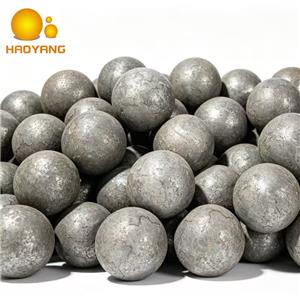
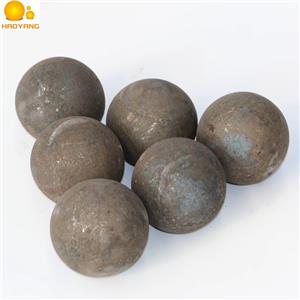
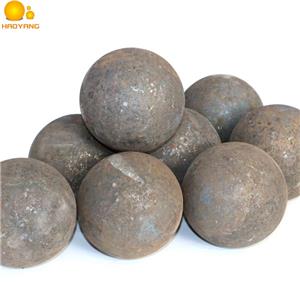
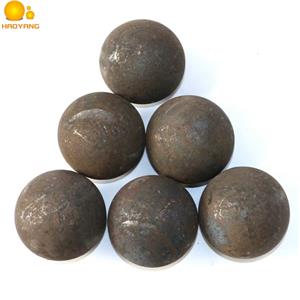
How to Choose the Right Grinding Ball Material: B2 vs. B3
Choosing the right grinding ball material is an important decision for mining and mineral processing operations. The chemical composition and heat treatment of grinding balls influence their hardness, toughness, wear resistance, and overall performance.
B2 and B3 are commonly used material designations in the grinding media industry. However, their exact chemical compositions and performance characteristics can vary depending on the applicable standard and manufacturer's specification.
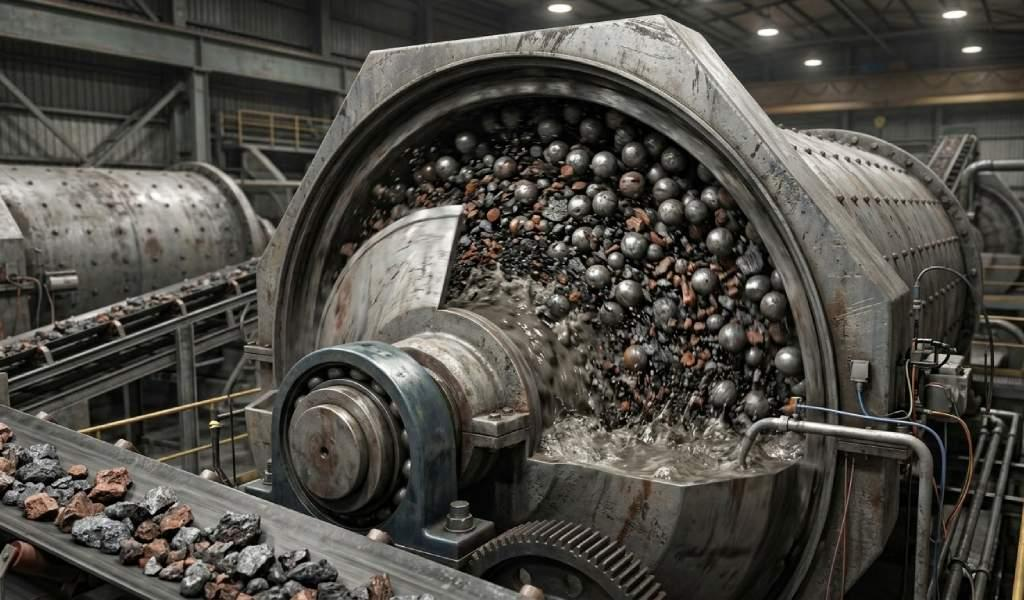
Understanding B2 and B3 Grinding Balls
B2 and B3 grinding balls may differ in carbon, chromium, manganese, and other alloying element contents. These differences can affect hardenability, hardness distribution, and wear performance.
When comparing the two grades, buyers should consider:
1. Chemical Composition
Carbon, chromium, manganese, and other alloying elements influence the microstructure and mechanical properties of grinding balls. The actual composition should be checked against the supplier's technical data.
2. Hardness and Toughness
High hardness can contribute to wear resistance, but hardness alone does not determine grinding media performance. Adequate toughness and a suitable balance between surface and core properties are also important.
Brand | Remarks | C | Chemical Composition (%) of Raw Matrial | Hardness (HRC) | ||||
Mn | Cr | S | P | Si | ||||
HY-1 | 45# Steel | 0.42-0.50 | 0.7-0.8 | w 0.25 | Max0.035 | Max0.035 | 0.17-0.37 | 48-56 |
HY-2 | 50Mn | 0.48-0.56 | 0.70-1.0 | w 0.25 | Max0.035 | Max0.035 | 0.17-0.37 | 50-56 |
HY-3 | 60Mn | 0.57-0.65 | 0.7-1.0 | w 0.25 | Max0.030 | Max0.030 | 0.17-0.37 | 58-60 |
HY-4 | 65Mn | 0.60-0.70 | 0.90-1.2 | w 0.25 | Max0.030 | Max0.030 | 0.17-0.37 | 58-65 |
HY-5 | 75Mn | 0.72-0.92 | 0.90-1.2 | w 0.25 | Max0.030 | Max0.030 | 0.17-0.37 | 55-65 |
HY-6 | B2 (75MnCr) | 0.72-0.85 | 0.7-1.2 | 0.42-0.85 | Max0.030 | Max0.030 | 0.17-0.37 | 60-65 |
HY-7 | B3 | 0.5-0.65 | 0.4-1.0 | 0.77-1.10 | Max0.030 | Max0.030 | 1.4-1.8 | 60-65 |
3. Grinding Ball Consumption
Grinding ball consumption is affected by ore abrasiveness, feed size, mill speed, impact conditions, ball diameter, and operating practices. A higher-alloy material may offer improved performance in certain applications, but the result should be verified through industrial testing.
4. Total Grinding Cost
The lowest purchase price does not always mean the lowest operating cost. Buyers should compare grinding media consumption, replacement frequency, mill performance, and cost per tonne of ore processed.
How to Select the Best Grade
Before choosing B2 or B3 grinding balls, it is advisable to review the current grinding conditions and establish a baseline for comparison. A controlled trial can help determine whether an alternative grade delivers measurable benefits.
Jinan Haoyang Casting & Forging Co., Ltd. supplies grinding media for different mining applications and can discuss suitable specifications based on customers' technical requirements.
Contact us to discuss your grinding ball material, hardness, and wear performance requirements.