Why Batch Consistency Matters: Haoyang Holds Forged Grinding Ball Hardness Deviation Within 2HRC
Peak hardness is only half the story in grinding media. For mine and cement operators, the real cost driver is consistency — batch after batch, shipment after shipment. Jinan Haoyang Casting & Forging Co., Ltd. has built its quality system around precisely this principle.
For grinding media, the enemy is variability. If hardness fluctuates between batches, balls wear unevenly, grinding efficiency drifts, and operators face higher media consumption and unplanned mill stoppages. That is why Haoyang, a Shandong-based grinding media manufacturer, treats batch consistency as a core engineering requirement rather than an afterthought.
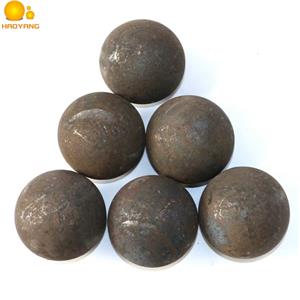
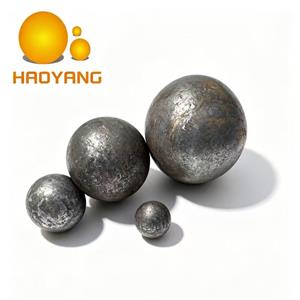
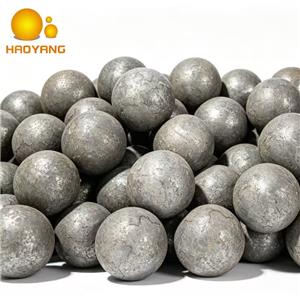
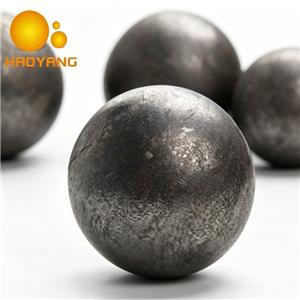
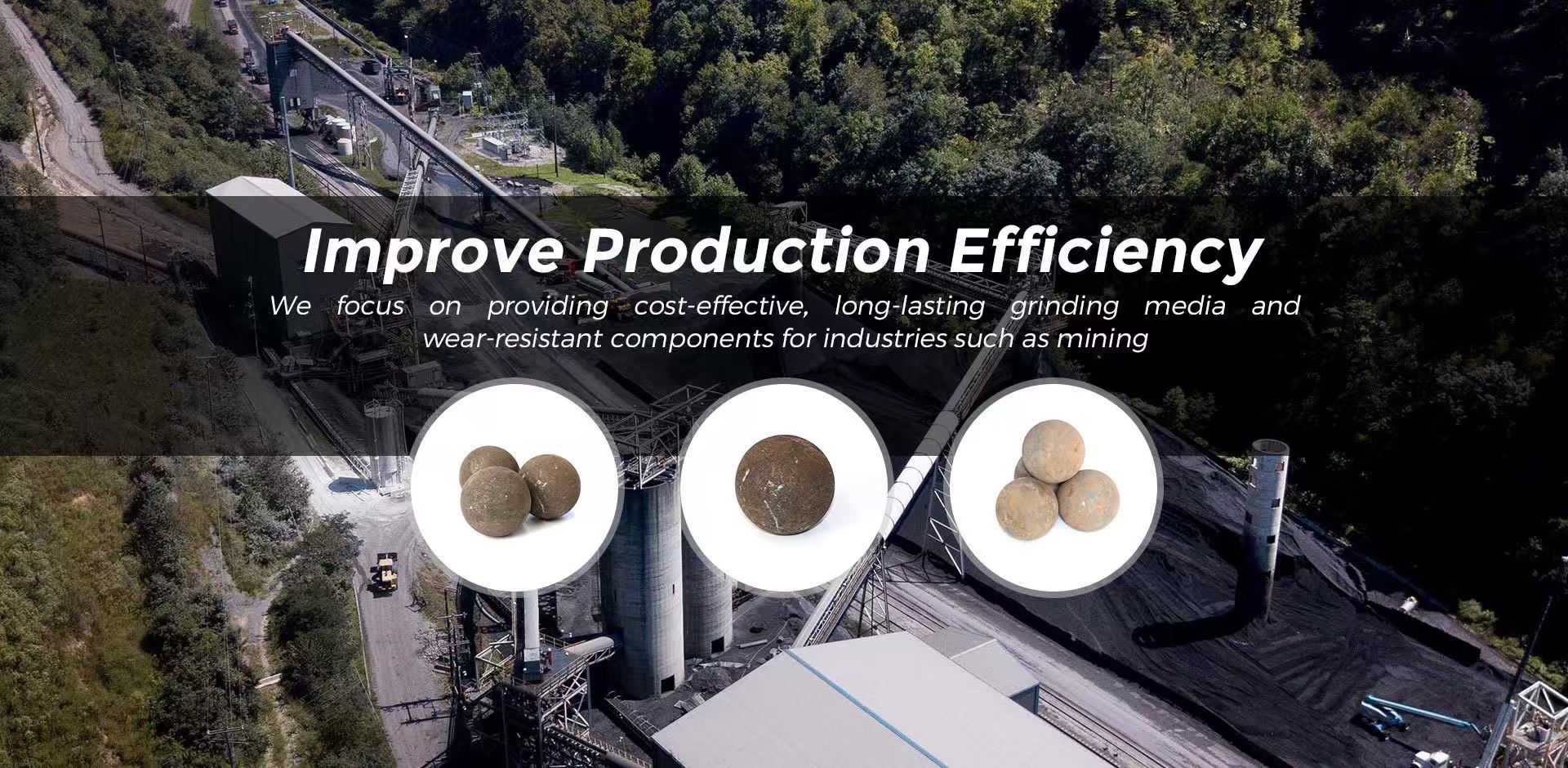
The company's forged grinding steel balls are produced through an "integral forging + low-temperature slow cooling" process, which increases metal grain density by approximately 30% compared with conventional processing. The result is a denser, more uniform microstructure that wears predictably over the full service life of the ball.
Before the product ships, we can accept third-party SGS hardness testing. Haoyang guarantees that hardness deviation within a single batch does not exceed 2HRC — a tight tolerance that gives customers confidence in stable mill performance from the first ton to the last.
"For a mine processing tens of thousands of tons of ore, a difference of just 2HRC in ball hardness can translate into meaningful differences in consumption and throughput," the company notes. "By locking in consistency at the process level and verifying it with third-party testing, we help customers plan their grinding operations with more certainty."
For customers, the payoff is measurable: predictable wear, longer intervals between mill recharges, and lower total cost of ownership.