Optimizing Grinding Ball Size Distribution in a Large Copper Mining Project
1. Project Background
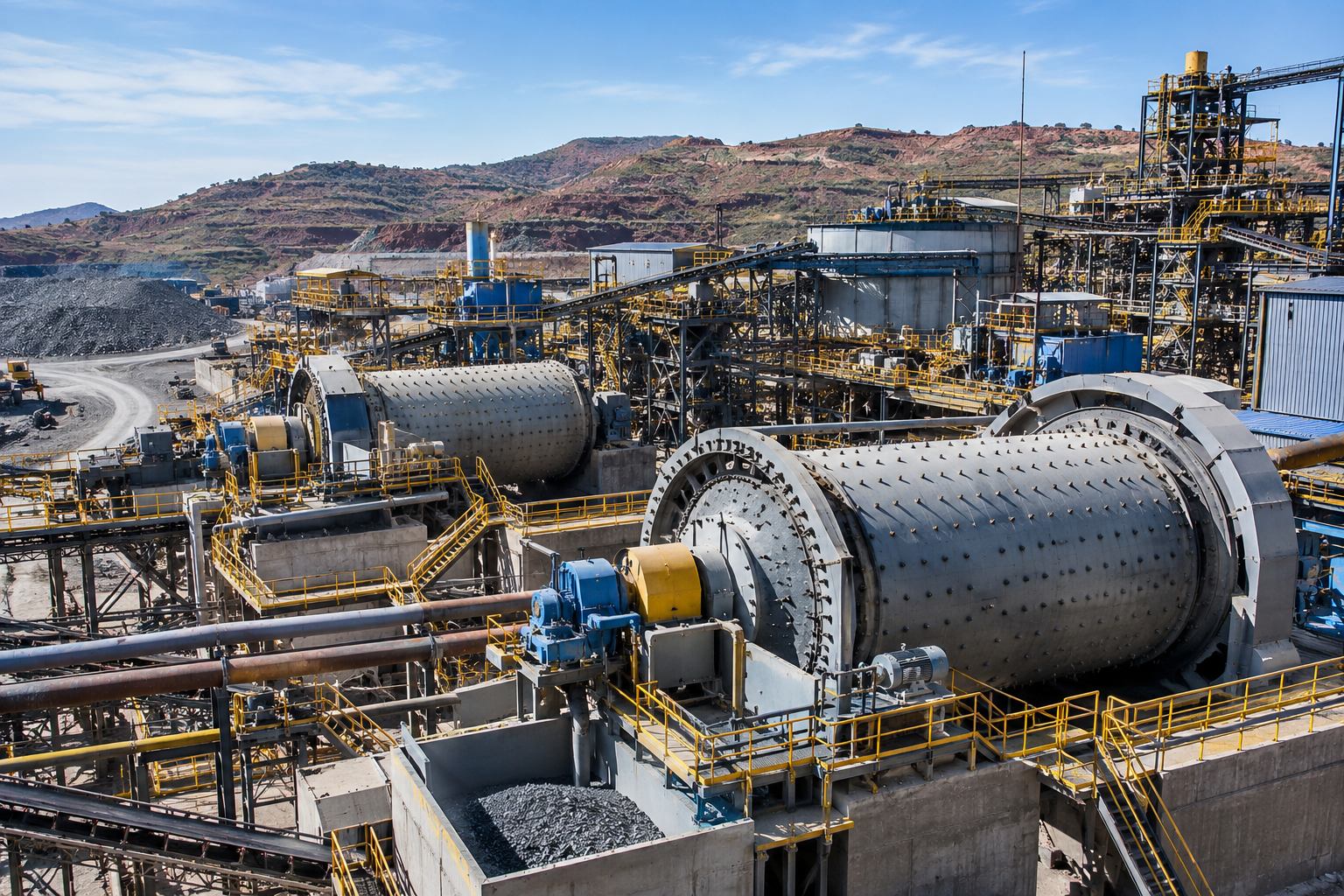
Copper ore grinding is a key stage in mineral processing. The selection of grinding ball diameter can influence ore breakage, particle size distribution, and downstream flotation performance.
The Sarcheshmeh Copper Mine in Iran has been the subject of published research examining the effects of grinding ball size on grinding and flotation circuit performance.
The mine processes large quantities of copper ore through multiple parallel ball mill circuits.
2. Initial Grinding Conditions
The published study described an operation processing approximately 41,000 tonnes of ore per day, with an average copper grade of 0.9%.
The grinding circuit used eight parallel lines of ball mills operating in closed circuit with cyclones.
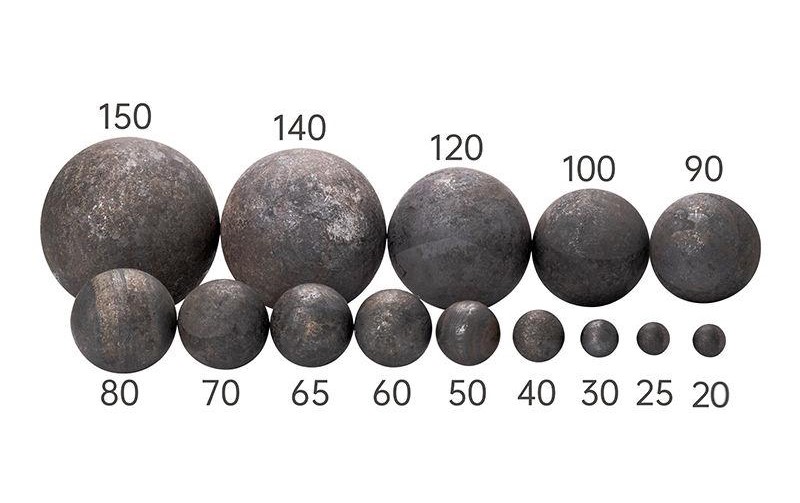
The original makeup grinding balls were 80 mm forged alloy steel balls.
The research investigated whether changing the grinding ball size distribution could improve grinding and flotation performance.
3. Grinding Ball Optimization
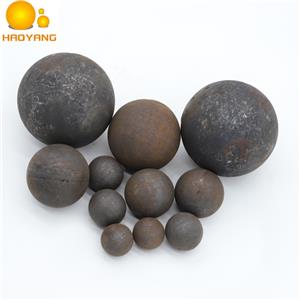
Instead of using only 80 mm grinding balls, the researchers introduced a combination of two ball sizes in one of the grinding lines:
80 mm forged alloy steel balls: 75% by weight.
60 mm forged alloy steel balls: 25% by weight.
The study also compared different grinding media materials, including forged alloy steel, ductile cast iron, and high-chromium cast iron.
Four parallel mills were used to evaluate the different grinding media arrangements.
4. Engineering Analysis
The project demonstrated the importance of grinding ball size distribution in large-scale copper processing.
Different ball diameters provide different impact and grinding characteristics. A suitable combination may help address variations in ore particle size and improve grinding circuit performance.
For mining engineers, the key considerations include:
Ore feed size and hardness.
Target grinding fineness.
Grinding ball diameter distribution.
Mill operating conditions.
Downstream flotation requirements.
5. Application for Copper Processing Plants
For copper mining operations, choosing the appropriate grinding ball diameter is an important part of grinding circuit management.
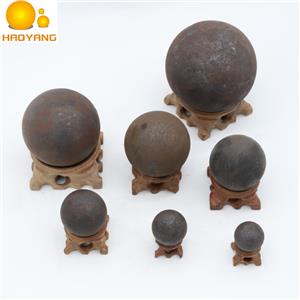
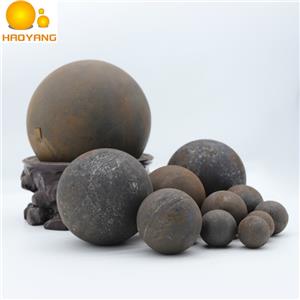
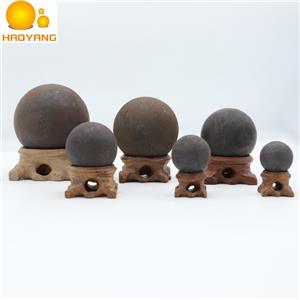
Forged alloy steel grinding balls are widely used in mineral processing because they can be manufactured in different sizes and material grades to meet various application requirements.
Jinan Haoyang Casting & Forging Co., Ltd. supplies forged grinding steel balls for copper ore, gold ore, and other mineral processing applications.
We can discuss different ball diameters and product specifications according to customers' grinding circuit requirements.
Conclusion: The Sarcheshmeh Copper Mine research highlights how grinding ball size distribution can be evaluated as part of an overall grinding circuit optimization strategy.